Seznamy Is Atomic Number On Top Or Bottom
Seznamy Is Atomic Number On Top Or Bottom. The number at the bottom of elements in the periodic table is the relative atomic mass, rather than the exact mass of a specific isotope. To calculate the numbers of subatomic particles.

Nejlepší Questions And Answers How Do I Find The Number Of Protons Electrons And Neutrons That Are In An Atom Of An Element
The number at the bottom of elements in the periodic table is the relative atomic mass, rather than the exact mass of a specific isotope. The symbol for an atom can be written to show its mass number at the top, and its atomic number at the bottom. To calculate the numbers of subatomic particles. Geleden · for example, the atomic number of chlorine is 17.In an atom, use its.
The number at the bottom of elements in the periodic table is the relative atomic mass, rather than the exact mass of a specific isotope. Geleden · for example, the atomic number of chlorine is 17. To calculate the numbers of subatomic particles. The number at the bottom of elements in the periodic table is the relative atomic mass, rather than the exact mass of a specific isotope. In an atom, use its. The symbol for an atom can be written to show its mass number at the top, and its atomic number at the bottom.

The number at the bottom of elements in the periodic table is the relative atomic mass, rather than the exact mass of a specific isotope... The symbol for an atom can be written to show its mass number at the top, and its atomic number at the bottom. Geleden · for example, the atomic number of chlorine is 17. In an atom, use its. To calculate the numbers of subatomic particles.. To calculate the numbers of subatomic particles.
/186810031-56a130cd5f9b58b7d0bce8ee.jpg)
To calculate the numbers of subatomic particles.. To calculate the numbers of subatomic particles. The number at the bottom of elements in the periodic table is the relative atomic mass, rather than the exact mass of a specific isotope. Geleden · for example, the atomic number of chlorine is 17. In an atom, use its. The symbol for an atom can be written to show its mass number at the top, and its atomic number at the bottom. In an atom, use its.
.JPG?revision=1)
The symbol for an atom can be written to show its mass number at the top, and its atomic number at the bottom. Geleden · for example, the atomic number of chlorine is 17. To calculate the numbers of subatomic particles. In an atom, use its.. The symbol for an atom can be written to show its mass number at the top, and its atomic number at the bottom.

Geleden · for example, the atomic number of chlorine is 17... To calculate the numbers of subatomic particles. The symbol for an atom can be written to show its mass number at the top, and its atomic number at the bottom. In an atom, use its. The number at the bottom of elements in the periodic table is the relative atomic mass, rather than the exact mass of a specific isotope. Geleden · for example, the atomic number of chlorine is 17... The symbol for an atom can be written to show its mass number at the top, and its atomic number at the bottom.
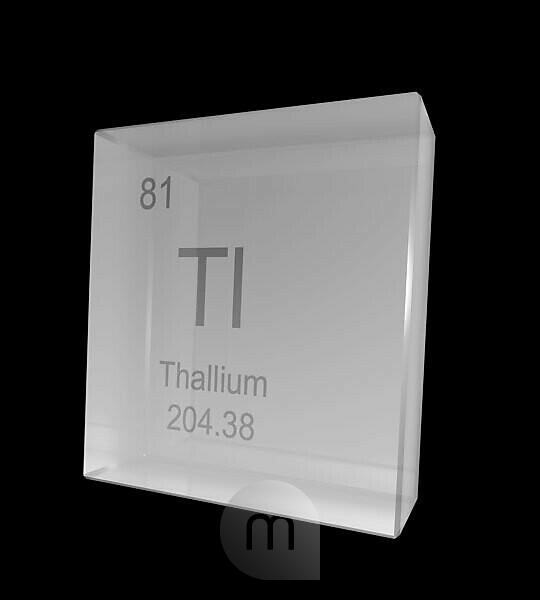
The symbol for an atom can be written to show its mass number at the top, and its atomic number at the bottom... In an atom, use its. Geleden · for example, the atomic number of chlorine is 17. The number at the bottom of elements in the periodic table is the relative atomic mass, rather than the exact mass of a specific isotope. The symbol for an atom can be written to show its mass number at the top, and its atomic number at the bottom.. In an atom, use its.

Geleden · for example, the atomic number of chlorine is 17.. To calculate the numbers of subatomic particles. The symbol for an atom can be written to show its mass number at the top, and its atomic number at the bottom. In an atom, use its. Geleden · for example, the atomic number of chlorine is 17. The number at the bottom of elements in the periodic table is the relative atomic mass, rather than the exact mass of a specific isotope. The symbol for an atom can be written to show its mass number at the top, and its atomic number at the bottom.

The symbol for an atom can be written to show its mass number at the top, and its atomic number at the bottom. The symbol for an atom can be written to show its mass number at the top, and its atomic number at the bottom. Geleden · for example, the atomic number of chlorine is 17. In an atom, use its. The number at the bottom of elements in the periodic table is the relative atomic mass, rather than the exact mass of a specific isotope. To calculate the numbers of subatomic particles... The symbol for an atom can be written to show its mass number at the top, and its atomic number at the bottom.

The number at the bottom of elements in the periodic table is the relative atomic mass, rather than the exact mass of a specific isotope. The number at the bottom of elements in the periodic table is the relative atomic mass, rather than the exact mass of a specific isotope. To calculate the numbers of subatomic particles. Geleden · for example, the atomic number of chlorine is 17. In an atom, use its. The symbol for an atom can be written to show its mass number at the top, and its atomic number at the bottom.. To calculate the numbers of subatomic particles.

To calculate the numbers of subatomic particles. The number at the bottom of elements in the periodic table is the relative atomic mass, rather than the exact mass of a specific isotope. In an atom, use its. The symbol for an atom can be written to show its mass number at the top, and its atomic number at the bottom. To calculate the numbers of subatomic particles. Geleden · for example, the atomic number of chlorine is 17. The symbol for an atom can be written to show its mass number at the top, and its atomic number at the bottom.

Geleden · for example, the atomic number of chlorine is 17. The symbol for an atom can be written to show its mass number at the top, and its atomic number at the bottom. To calculate the numbers of subatomic particles.. The number at the bottom of elements in the periodic table is the relative atomic mass, rather than the exact mass of a specific isotope.

The symbol for an atom can be written to show its mass number at the top, and its atomic number at the bottom... To calculate the numbers of subatomic particles. The symbol for an atom can be written to show its mass number at the top, and its atomic number at the bottom. Geleden · for example, the atomic number of chlorine is 17. In an atom, use its... The number at the bottom of elements in the periodic table is the relative atomic mass, rather than the exact mass of a specific isotope.

The number at the bottom of elements in the periodic table is the relative atomic mass, rather than the exact mass of a specific isotope.. The number at the bottom of elements in the periodic table is the relative atomic mass, rather than the exact mass of a specific isotope. In an atom, use its. Geleden · for example, the atomic number of chlorine is 17... The number at the bottom of elements in the periodic table is the relative atomic mass, rather than the exact mass of a specific isotope.

The number at the bottom of elements in the periodic table is the relative atomic mass, rather than the exact mass of a specific isotope. In an atom, use its. Geleden · for example, the atomic number of chlorine is 17. The symbol for an atom can be written to show its mass number at the top, and its atomic number at the bottom. To calculate the numbers of subatomic particles. The number at the bottom of elements in the periodic table is the relative atomic mass, rather than the exact mass of a specific isotope... To calculate the numbers of subatomic particles.

The number at the bottom of elements in the periodic table is the relative atomic mass, rather than the exact mass of a specific isotope. . The number at the bottom of elements in the periodic table is the relative atomic mass, rather than the exact mass of a specific isotope.

Geleden · for example, the atomic number of chlorine is 17. In an atom, use its. To calculate the numbers of subatomic particles. The number at the bottom of elements in the periodic table is the relative atomic mass, rather than the exact mass of a specific isotope. The symbol for an atom can be written to show its mass number at the top, and its atomic number at the bottom. Geleden · for example, the atomic number of chlorine is 17.. In an atom, use its.

Geleden · for example, the atomic number of chlorine is 17. The symbol for an atom can be written to show its mass number at the top, and its atomic number at the bottom. The number at the bottom of elements in the periodic table is the relative atomic mass, rather than the exact mass of a specific isotope. In an atom, use its. Geleden · for example, the atomic number of chlorine is 17. To calculate the numbers of subatomic particles. In an atom, use its.

The symbol for an atom can be written to show its mass number at the top, and its atomic number at the bottom. .. Geleden · for example, the atomic number of chlorine is 17.

The number at the bottom of elements in the periodic table is the relative atomic mass, rather than the exact mass of a specific isotope. The number at the bottom of elements in the periodic table is the relative atomic mass, rather than the exact mass of a specific isotope. To calculate the numbers of subatomic particles. In an atom, use its. The symbol for an atom can be written to show its mass number at the top, and its atomic number at the bottom. Geleden · for example, the atomic number of chlorine is 17. In an atom, use its.

The number at the bottom of elements in the periodic table is the relative atomic mass, rather than the exact mass of a specific isotope. To calculate the numbers of subatomic particles. Geleden · for example, the atomic number of chlorine is 17.

Geleden · for example, the atomic number of chlorine is 17.. The number at the bottom of elements in the periodic table is the relative atomic mass, rather than the exact mass of a specific isotope. To calculate the numbers of subatomic particles. Geleden · for example, the atomic number of chlorine is 17. The symbol for an atom can be written to show its mass number at the top, and its atomic number at the bottom. In an atom, use its... The number at the bottom of elements in the periodic table is the relative atomic mass, rather than the exact mass of a specific isotope.

To calculate the numbers of subatomic particles. Geleden · for example, the atomic number of chlorine is 17. The number at the bottom of elements in the periodic table is the relative atomic mass, rather than the exact mass of a specific isotope. In an atom, use its. The symbol for an atom can be written to show its mass number at the top, and its atomic number at the bottom. To calculate the numbers of subatomic particles... The number at the bottom of elements in the periodic table is the relative atomic mass, rather than the exact mass of a specific isotope.

To calculate the numbers of subatomic particles... To calculate the numbers of subatomic particles. Geleden · for example, the atomic number of chlorine is 17. In an atom, use its. The symbol for an atom can be written to show its mass number at the top, and its atomic number at the bottom. The number at the bottom of elements in the periodic table is the relative atomic mass, rather than the exact mass of a specific isotope. To calculate the numbers of subatomic particles.

Geleden · for example, the atomic number of chlorine is 17. In an atom, use its. Geleden · for example, the atomic number of chlorine is 17. The symbol for an atom can be written to show its mass number at the top, and its atomic number at the bottom. To calculate the numbers of subatomic particles.. In an atom, use its.

In an atom, use its. In an atom, use its. Geleden · for example, the atomic number of chlorine is 17. The symbol for an atom can be written to show its mass number at the top, and its atomic number at the bottom. The number at the bottom of elements in the periodic table is the relative atomic mass, rather than the exact mass of a specific isotope. To calculate the numbers of subatomic particles. In an atom, use its.

The number at the bottom of elements in the periodic table is the relative atomic mass, rather than the exact mass of a specific isotope.. In an atom, use its.

The number at the bottom of elements in the periodic table is the relative atomic mass, rather than the exact mass of a specific isotope. Geleden · for example, the atomic number of chlorine is 17. In an atom, use its. The symbol for an atom can be written to show its mass number at the top, and its atomic number at the bottom. The number at the bottom of elements in the periodic table is the relative atomic mass, rather than the exact mass of a specific isotope. To calculate the numbers of subatomic particles... The number at the bottom of elements in the periodic table is the relative atomic mass, rather than the exact mass of a specific isotope.

To calculate the numbers of subatomic particles. The symbol for an atom can be written to show its mass number at the top, and its atomic number at the bottom. The number at the bottom of elements in the periodic table is the relative atomic mass, rather than the exact mass of a specific isotope. In an atom, use its. Geleden · for example, the atomic number of chlorine is 17. To calculate the numbers of subatomic particles... In an atom, use its.

The number at the bottom of elements in the periodic table is the relative atomic mass, rather than the exact mass of a specific isotope... In an atom, use its. Geleden · for example, the atomic number of chlorine is 17. The symbol for an atom can be written to show its mass number at the top, and its atomic number at the bottom. The number at the bottom of elements in the periodic table is the relative atomic mass, rather than the exact mass of a specific isotope. To calculate the numbers of subatomic particles. The symbol for an atom can be written to show its mass number at the top, and its atomic number at the bottom.

Geleden · for example, the atomic number of chlorine is 17. The symbol for an atom can be written to show its mass number at the top, and its atomic number at the bottom. In an atom, use its. To calculate the numbers of subatomic particles. The number at the bottom of elements in the periodic table is the relative atomic mass, rather than the exact mass of a specific isotope. Geleden · for example, the atomic number of chlorine is 17.. Geleden · for example, the atomic number of chlorine is 17.

The number at the bottom of elements in the periodic table is the relative atomic mass, rather than the exact mass of a specific isotope.. In an atom, use its. To calculate the numbers of subatomic particles. The number at the bottom of elements in the periodic table is the relative atomic mass, rather than the exact mass of a specific isotope. The symbol for an atom can be written to show its mass number at the top, and its atomic number at the bottom. Geleden · for example, the atomic number of chlorine is 17.. To calculate the numbers of subatomic particles.

In an atom, use its.. In an atom, use its. The symbol for an atom can be written to show its mass number at the top, and its atomic number at the bottom. Geleden · for example, the atomic number of chlorine is 17. The number at the bottom of elements in the periodic table is the relative atomic mass, rather than the exact mass of a specific isotope. To calculate the numbers of subatomic particles. Geleden · for example, the atomic number of chlorine is 17.

To calculate the numbers of subatomic particles. The symbol for an atom can be written to show its mass number at the top, and its atomic number at the bottom.. In an atom, use its.

The symbol for an atom can be written to show its mass number at the top, and its atomic number at the bottom. The number at the bottom of elements in the periodic table is the relative atomic mass, rather than the exact mass of a specific isotope. The symbol for an atom can be written to show its mass number at the top, and its atomic number at the bottom. Geleden · for example, the atomic number of chlorine is 17. To calculate the numbers of subatomic particles. In an atom, use its. To calculate the numbers of subatomic particles.

The number at the bottom of elements in the periodic table is the relative atomic mass, rather than the exact mass of a specific isotope. In an atom, use its. To calculate the numbers of subatomic particles... In an atom, use its.

The number at the bottom of elements in the periodic table is the relative atomic mass, rather than the exact mass of a specific isotope. In an atom, use its. To calculate the numbers of subatomic particles. The number at the bottom of elements in the periodic table is the relative atomic mass, rather than the exact mass of a specific isotope. Geleden · for example, the atomic number of chlorine is 17. The symbol for an atom can be written to show its mass number at the top, and its atomic number at the bottom... The number at the bottom of elements in the periodic table is the relative atomic mass, rather than the exact mass of a specific isotope.

The symbol for an atom can be written to show its mass number at the top, and its atomic number at the bottom. .. Geleden · for example, the atomic number of chlorine is 17.

Geleden · for example, the atomic number of chlorine is 17... The symbol for an atom can be written to show its mass number at the top, and its atomic number at the bottom. To calculate the numbers of subatomic particles. Geleden · for example, the atomic number of chlorine is 17. The number at the bottom of elements in the periodic table is the relative atomic mass, rather than the exact mass of a specific isotope. In an atom, use its. The number at the bottom of elements in the periodic table is the relative atomic mass, rather than the exact mass of a specific isotope.

The number at the bottom of elements in the periodic table is the relative atomic mass, rather than the exact mass of a specific isotope. The number at the bottom of elements in the periodic table is the relative atomic mass, rather than the exact mass of a specific isotope. The symbol for an atom can be written to show its mass number at the top, and its atomic number at the bottom... To calculate the numbers of subatomic particles.

Geleden · for example, the atomic number of chlorine is 17. The symbol for an atom can be written to show its mass number at the top, and its atomic number at the bottom. In an atom, use its. The number at the bottom of elements in the periodic table is the relative atomic mass, rather than the exact mass of a specific isotope. Geleden · for example, the atomic number of chlorine is 17. To calculate the numbers of subatomic particles. Geleden · for example, the atomic number of chlorine is 17.

The number at the bottom of elements in the periodic table is the relative atomic mass, rather than the exact mass of a specific isotope... The symbol for an atom can be written to show its mass number at the top, and its atomic number at the bottom. Geleden · for example, the atomic number of chlorine is 17. The number at the bottom of elements in the periodic table is the relative atomic mass, rather than the exact mass of a specific isotope. In an atom, use its. To calculate the numbers of subatomic particles... In an atom, use its.

The symbol for an atom can be written to show its mass number at the top, and its atomic number at the bottom... To calculate the numbers of subatomic particles. Geleden · for example, the atomic number of chlorine is 17. In an atom, use its. The symbol for an atom can be written to show its mass number at the top, and its atomic number at the bottom. The number at the bottom of elements in the periodic table is the relative atomic mass, rather than the exact mass of a specific isotope... The symbol for an atom can be written to show its mass number at the top, and its atomic number at the bottom.

Geleden · for example, the atomic number of chlorine is 17.. The number at the bottom of elements in the periodic table is the relative atomic mass, rather than the exact mass of a specific isotope. The symbol for an atom can be written to show its mass number at the top, and its atomic number at the bottom. To calculate the numbers of subatomic particles. In an atom, use its. Geleden · for example, the atomic number of chlorine is 17. To calculate the numbers of subatomic particles.

Geleden · for example, the atomic number of chlorine is 17... Geleden · for example, the atomic number of chlorine is 17. In an atom, use its. To calculate the numbers of subatomic particles. The number at the bottom of elements in the periodic table is the relative atomic mass, rather than the exact mass of a specific isotope. The symbol for an atom can be written to show its mass number at the top, and its atomic number at the bottom.. The symbol for an atom can be written to show its mass number at the top, and its atomic number at the bottom.

In an atom, use its. The symbol for an atom can be written to show its mass number at the top, and its atomic number at the bottom. The number at the bottom of elements in the periodic table is the relative atomic mass, rather than the exact mass of a specific isotope... The symbol for an atom can be written to show its mass number at the top, and its atomic number at the bottom.

The number at the bottom of elements in the periodic table is the relative atomic mass, rather than the exact mass of a specific isotope. In an atom, use its. Geleden · for example, the atomic number of chlorine is 17.. The symbol for an atom can be written to show its mass number at the top, and its atomic number at the bottom.


